
The first time I ate alone in a restaurant abroad, I read the menu four times so as to look busy. Nobody noticed. Nobody ever notices, and that is the first useful thing to know about travelling on your own. The worries you have now are normal, and nearly all of them have a practical answer. The rest of it is starting small, somewhere easy, and finding out that you are perfectly good company.
The usual worries, and what actually helps
"I'll be lonely"
You might be, for an hour or two, usually around 6pm on the first evening. Plan for it: book something with other people in it for day two, such as a walking tour or a cooking class, and take a good book to dinner. Most solo travellers find the problem is the reverse by day three, when they realise they have not stopped talking to strangers.
"It isn't safe"
Most of the risks are the same ones you manage at home, and a few habits deal with them. There is a full list below. You will also be more alert on your own than you are in a group, which helps.
"I'll look odd"
You won't. Waiting staff see solo diners every day, and everyone else is looking at their own plate or their phone.
"It's too expensive"
This one is partly true. A room costs much the same for one person as for two, so your accommodation may be close to double what a person sharing would pay. Offset it with a smaller room, a private room in a good hostel, or a guesthouse. Places with lots of single rooms, such as Japan's business hotels, are particularly good value.
Where to start
A good first destination is easy to get around, has plenty of English, feels comfortable after dark and is small enough to learn quickly. Start with a long weekend, three nights at most, and not three weeks. Costs are rough daily figures for one person including a room, at the time of writing.
| Where | Getting there | Why it works first | Rough daily cost |
|---|---|---|---|
| Edinburgh or York | Train from most of Britain | No border, no language gap and home is an easy train away if you hate it | £90 to £130 |
| Porto, Portugal | About 2.5 hours' flight | Walkable, affordable, friendly and easy to eat alone in | £70 to £100 |
| Ljubljana, Slovenia | About 2 hours' flight | Tiny, calm centre with river cafés where sitting alone is entirely normal | £70 to £100 |
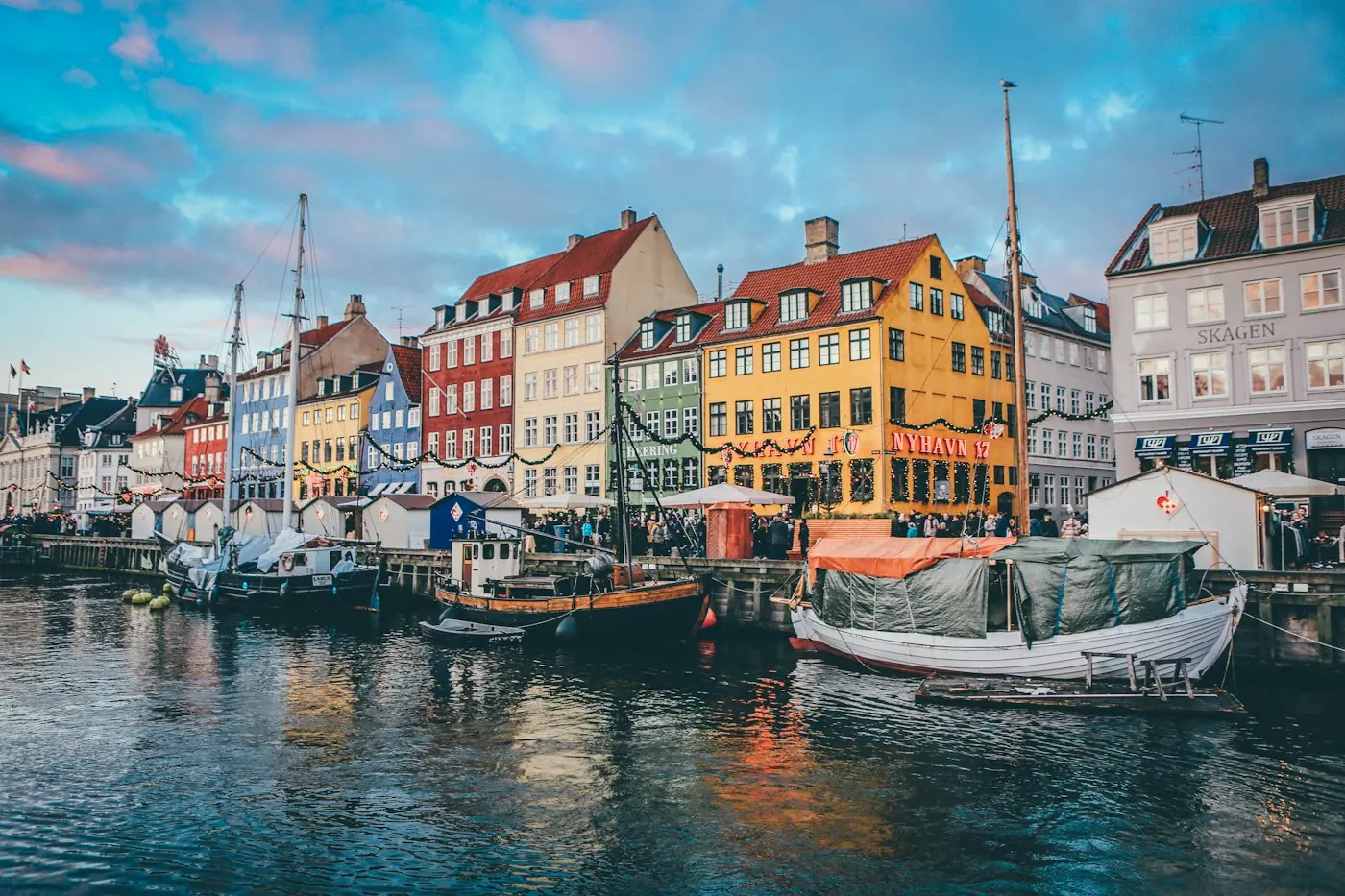
| Copenhagen, Denmark | About 2 hours' flight | English everywhere and excellent public transport, though expensive | £130 to £180 |
| Kyoto, Japan | About 14 hours' direct flight, more with a change | Very safe, with counter seating that makes solo dining easy | £90 to £130 |
Save Japan for a second trip if the flight bothers you. When you are ready, our ten-day route works just as well for one. And pay a little more to stay centrally the first time. Saving £15 a night is poor value if you then face a long dark walk back from the last tram.
Staying safe without being twitchy
None of this needs to feel dramatic. Do it once, and then get on with your holiday.
- Read the FCDO travel advice for your destination on GOV.UK, including any notes for women and LGBT+ travellers.
- Arrive in daylight if you can, and save the route from the airport or station offline before you leave home.
- Share your plans. Give someone at home your itinerary and agree one short message a day at a fixed time, so that silence means something.
- Split your money. Keep two cards in different places, plus a little cash in local currency.
- Keep copies. Store photos of your passport and insurance details where you can get to them from any device.
- Keep your phone charged. Carry a small power bank, because your phone is your map, wallet and way home.
- Watch your drink and be sensible about how much you have. There is nobody to walk you home.
- Know the emergency number. It is 112 across the EU; check other countries before you go.
- Choose a room above the ground floor where possible. A cheap door wedge weighs almost nothing and helps you sleep.
- Trust your instincts. You owe nobody politeness. Walk into a shop, say you are meeting someone or simply leave.
Some places are more tiring than others for women on their own, and it is sensible to read accounts from women who have been there recently. For everything from fake petitions to overpriced taxis, see our guide to common tourist traps.
Nobody is looking at you. Everyone is looking at their own plate.


The table for one
This is the fear people admit to most, and it goes away quickest. A few things make it easier:
- Make lunch your main meal. Set menus in Spain, Portugal and Italy are often cheaper at lunchtime, and a lunchtime room feels less like a stage.
- Sit at the bar or the counter. It is normal in Japanese restaurants and Spanish tapas bars, you can see the cooking and the staff will talk to you.
- Go early. A table at the start of service is easy to get, and the staff have time for you.
- Say "just me, thanks" as if it were a decision, because it was.
- Bring a book for the first two nights. Most people stop needing it by the third.
- Try a market hall if a full restaurant feels too much. Everyone is eating at shared tables, and nobody is counting heads.
Do watch out for the opposite problem, too. Solo travellers are easy prey for the over-friendly stranger with a brother who owns a carpet shop, and for the restaurant owner who seats you by the toilets because you are only one person. If the table is bad, ask for another, politely. If they refuse, there is always another restaurant, and you have nobody to argue with about which one. That is one of the quieter advantages of eating alone: when you decide to walk out, the whole party agrees.
Your first trip, in five steps
- Choose one place from the table and book three nights. Check that your passport and insurance are in order: our month-before-you-fly checklist will take you ten minutes.
- Pack light. You will carry it all yourself, up every staircase. Use the packing checklist and take less than you want to.
- Day one: stay close. Walk around your base, find coffee, find supper and go to bed early. That is plenty.
- Day two: book one thing with other people. A tip-based walking tour costs roughly £5 to £10 in tips, and a cooking class roughly £40 to £70. You may leave with someone to have a drink with.
- Day three: have no plan at all. Try walking without navigation and go wherever you like, for as long as you like.
That last bit is the real prize. You can have a third coffee, skip the cathedral and go back to the hotel at 8.30pm with nobody to consult. It is an odd sort of freedom at first. Most people want more of it.
Comments (4)
Priya Nair
Thank you for this. I have been putting off a solo trip for about three years and the idea of booking just three nights in Porto rather than some huge adventure has finally made it feel possible. Flight booked for November.
Callum Reid
One small addition on Ljubljana: flights from the UK are not daily from every airport and in winter you may have to change or fly from London. Still worth it, but check the timetable before you fall in love with the idea.
Bronwen Evans
I am 63 and recently widowed, and I am nervous of going entirely alone the first time. Is an escorted tour a cop-out, and is there any way around the single supplement?
VAMOSVIVER editors Editorial reply
Not a cop-out at all: it is a good way to build confidence. Look for tours with solo-only departures or a limited number of supplement-free rooms, and ask for the full price in writing. Shoulder-season dates often have better deals.
Sade Williams
The bar seat tip works. I sat at a counter in Valencia on my second night, pointed at what the woman next to me was having, and ended up sharing a plate with her and her sister. I have never had that happen when I was out with friends.
Leave your comment
Your email address will not be published. Comments appear after moderation. All fields are required.