
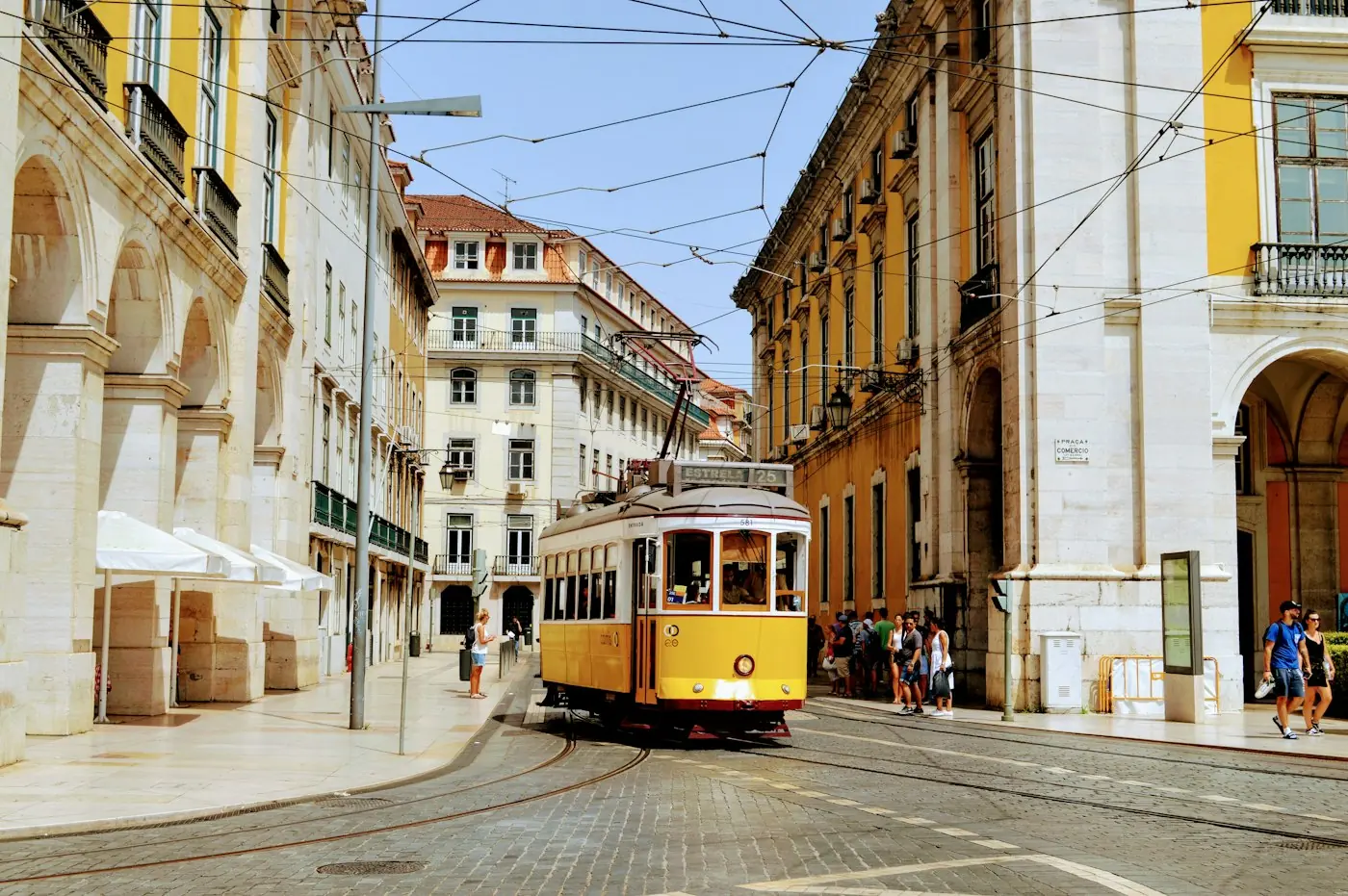
Portugal is long, thin and has a railway running down most of it, which makes a week without a hire car the easier option rather than the virtuous one. You save on parking, you avoid reversing out of a very narrow street in Alfama, and you spend the journeys looking out of the window.
The plan is two days in Porto, three in Lisbon and two on the Algarve, joined by two train rides of about three hours each. Everything else happens on foot, with the odd metro, tram or local train. I have walked every part of it, which is how I know where the paper version was wrong.
Go north to south and fly home from somewhere else
The trick is direction. Start in Lisbon, go up to Porto and then down to the Algarve, and you spend most of a day travelling back past where you began. Run it as a straight line instead: fly into Porto, take the train to Lisbon, take the train to the coast, and fly home from Faro.
Budget airlines serve both Porto and Faro from a good spread of UK airports, and two single fares often come to about the same as a return. Our guide to finding cheap flights explains how to search for this kind of open-jaw trip. Before you pay, check the evening flight home from Faro, because the last day depends on it.
The week, day by day
| Day | Where | What to do | Rough cost |
|---|---|---|---|
| 1 | Porto | Arrive, metro from the airport (about 30 minutes). São Bento station tiles, Ribeira, sunset from the upper deck of the Dom Luís I bridge | £70 |
| 2 | Porto | Clérigos Tower, riverside walk or tram to Foz do Douro, a port lodge tasting in Gaia | £85 |
| 3 | Porto to Lisbon | Morning train, about 3 hours. Afternoon in Alfama and the Graça viewpoints | £95 |
| 4 | Lisbon | Baixa and Chiado on foot, then the riverside out to Belém and the Jerónimos Monastery | £80 |
| 5 | Sintra | Train from Rossio, about 40 minutes. Pena Palace or Quinta da Regaleira, not both in a hurry | £90 |
| 6 | Lisbon to the Algarve | Train from Oriente: about 3 hours to Faro, then 40 minutes on to Tavira, or 4 to 4.5 hours to Lagos with a change at Tunes | £95 |
| 7 | Lagos or Tavira | Cliff walk or island ferry, then an evening flight from Faro | £50 |
Porto: two days and a lot of stairs
Porto is built on the side of a gorge, so plan your walking downhill wherever you can. Start at São Bento station, where the entrance hall is lined with blue tiles and costs nothing, then drop through the lanes to the Ribeira waterfront. The restaurants right on the quay charge for the view. Walk two streets back and lunch gets noticeably cheaper.
Cross the Dom Luís I bridge on the upper deck, which you share with the metro, and come back along the Gaia side, where the port lodges run tours and tastings from roughly £15 to £25. On day two, follow the river west to Foz do Douro, where it meets the Atlantic. It is about 5 km and flat, and the old tram will bring you back if your feet object.

The Clérigos Tower is worth the small fee for orientation, but skip the long bookshop queue unless you truly love staircases. If it rains, and in spring it may, the Serralves museum and its gardens will fill a morning.
Lisbon: three days, one of them out of town
Lisbon's most famous tram is the one to avoid. Tram 28 is packed by mid-morning and popular with pickpockets, and the route it follows is pleasant to walk. Go up to Graça by metro and bus or under your own steam, see the view from Senhora do Monte, then wander down through Alfama with gravity on your side.
For Belém, take the riverside on foot if you enjoy a long walk (about 6 km from Baixa) or the local train from Cais do Sodré if you do not. The Jerónimos Monastery is roughly £15 and earns it, and its cloister is the thing to see. Buy a rechargeable transport card on arrival: rides come to about £1.50 each, and it also covers the trains to Sintra and Cascais.
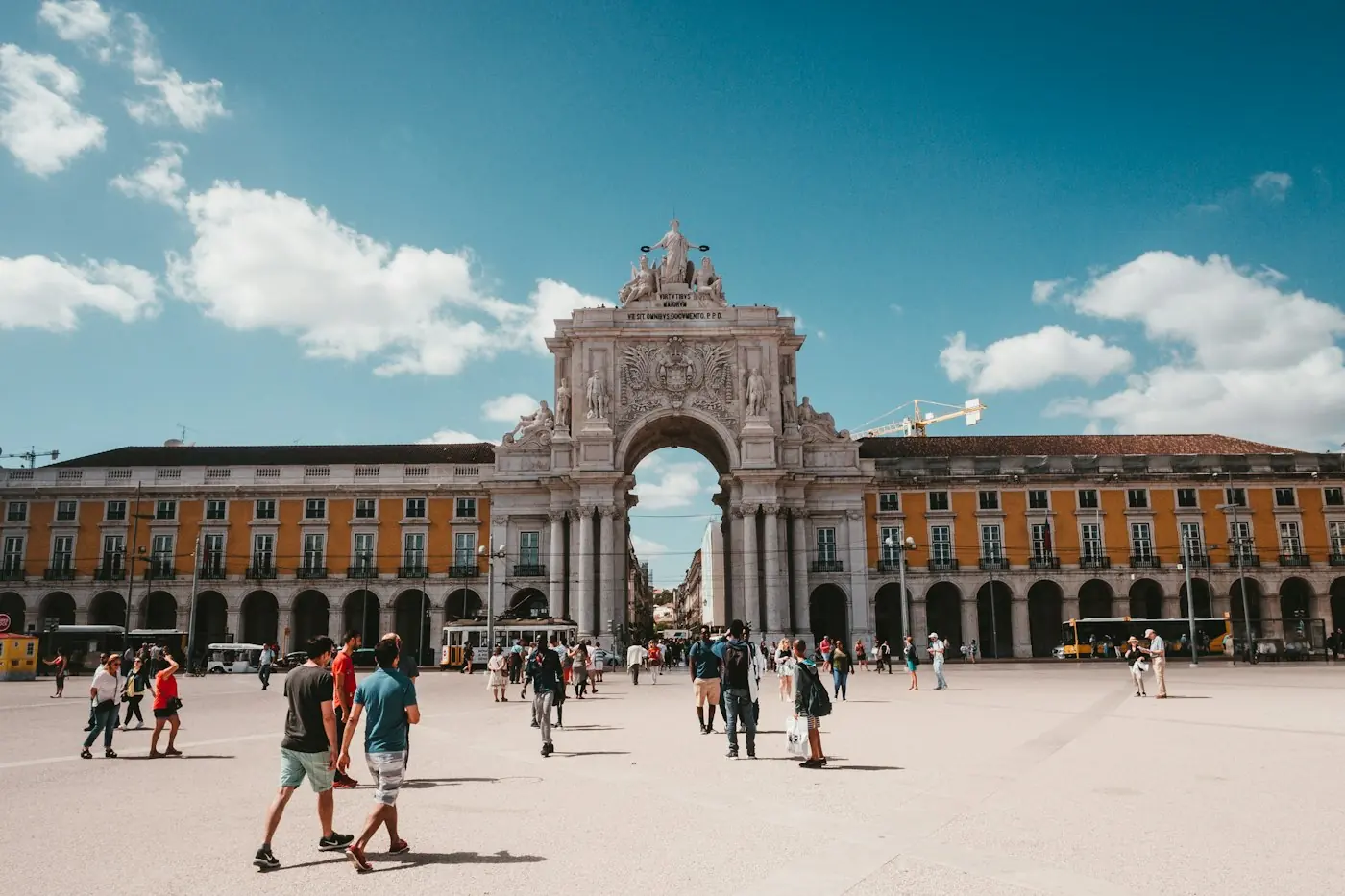
Go to Sintra on a weekday and catch a train before 9am. Book a timed ticket for Pena Palace in advance, allow about £15 to £20 for it, and expect the walk up from town to take around an hour. In my experience people enjoy Sintra far more when they pick one big sight and leave the rest for the walk back.
The Algarve: Lagos or Tavira?
Both work without a car, but they suit different people. Choose Lagos for the cliffs: a walk of about 3 km from town reaches the sea stacks and boardwalks at Ponta da Piedade, and small boats run through the grottoes from roughly £15 to £20. The catch is the journey, with a change at Tunes on the way in and nearly two hours by regional train back towards Faro.
Choose Tavira for an easy last day. It is a low, whitewashed town on a river, only about 40 minutes from Faro, with a short ferry out to the long sand of Ilha de Tavira. Check the ferry times in spring, as the service is thinner than in summer.
Faro's airport is not on the railway, so allow for a bus of about 20 minutes or a taxi from town. Regional trains are not frequent either. Leave a generous margin before your flight, and I mean two spare hours rather than one.
Portugal is long, thin and has a railway running down most of it, which makes a week without a hire car the easier option rather than the virtuous one.

Only want Lisbon and Porto? Here is the 7-day version
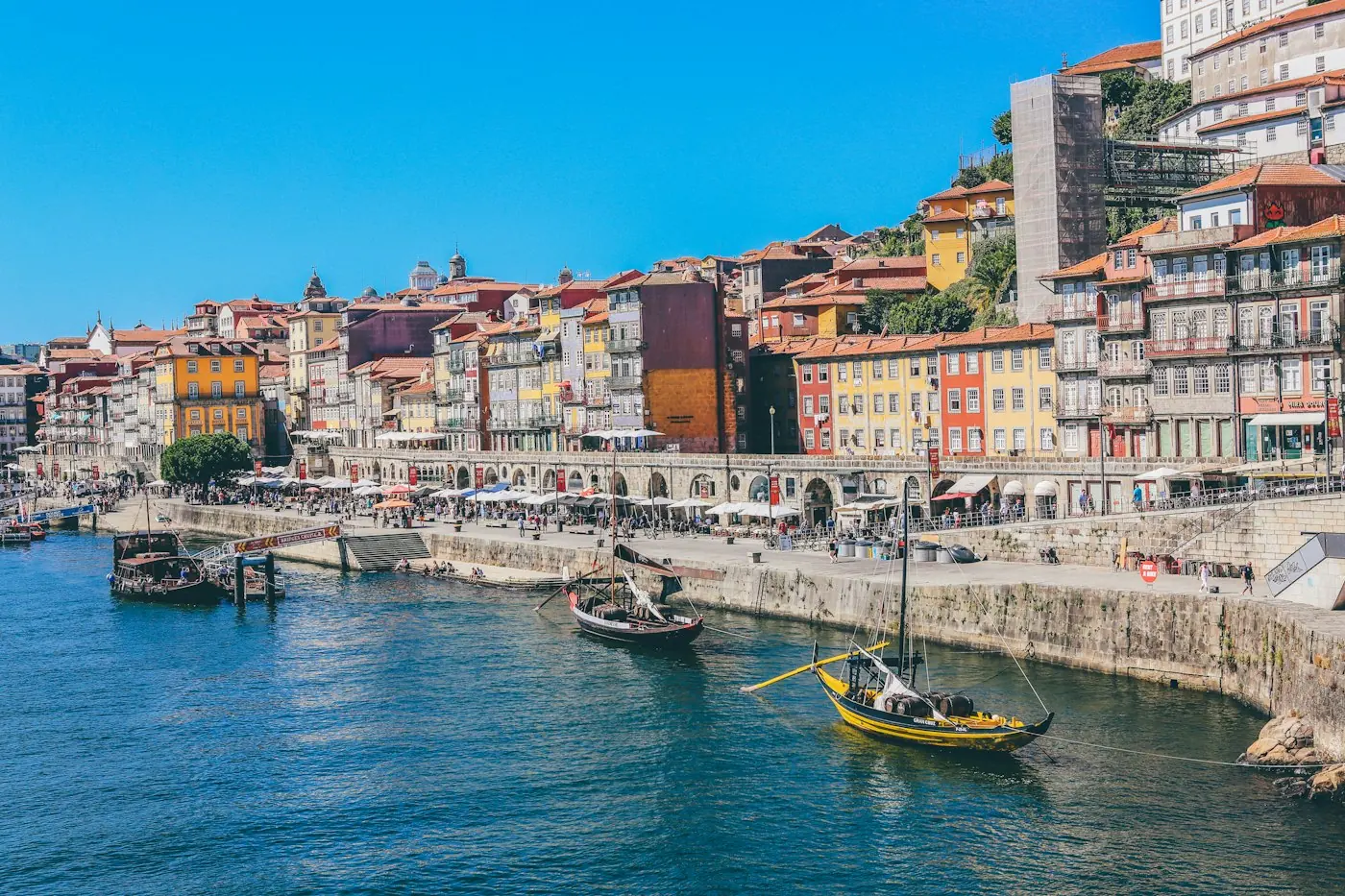
If beaches do not tempt you, drop the Algarve and slow down. This version needs nothing but your feet and the train, and it can start from either city. Fly into Lisbon and home from Porto to avoid doubling back.
| Day | Where | What to do |
|---|---|---|
| 1 | Lisbon | Alfama and the Graça viewpoints on foot |
| 2 | Lisbon | Baixa, Chiado, then along the river to Belém |
| 3 | Sintra | Day trip by train from Rossio |
| 4 | Cascais | Train along the coast from Cais do Sodré, about 40 minutes, then the seafront walk to Boca do Inferno |
| 5 | Coimbra to Porto | Train north with a stop at Coimbra for the old university, about 2 hours from Lisbon and a bit over 1 hour on to Porto |
| 6 | Douro line | Day trip by train to Pinhão, around 2.5 hours each way. Sit on the right heading upstream for the river views |
| 7 | Porto | São Bento, Ribeira, the bridge and Foz before an evening flight |
Budget about £80 a day per person on the same basis as above. Day 6 is the one I would not trade: the Douro line costs roughly £10 to £12 each way, and a car on those roads would mean somebody missing the view. Plot your own version on our route template.
Why spring, and the practical bits
Spring is the best season for this route. From late March to May, Lisbon usually sits somewhere around 17 to 23°C, the Algarve clifftops are covered in wild flowers and you can walk uphill at 2pm without regretting it. Porto can be properly wet, so pack a light waterproof. The sea is still cold, around 16°C, which matters only if you came to swim. Avoid Easter weekend if you can. July and August bring heat in the cities and crowds and high prices on the coast, while September and October are a good second choice.
- Trains: book the long-distance legs on the national rail operator's website as soon as you have dates. Standard fares are roughly £20 to £30 per leg and advance tickets can be much less. Seats are reserved on the fast trains.
- Strikes: rail strikes do happen in Portugal. Check the week before you travel, and do not plan a train and a flight on the same day if there is any alternative. On day 7 you cannot avoid it, so stay close to Faro if the news looks doubtful.
- Shoes: Lisbon's polished stone pavements are slippery when wet. Bring soles with real grip and pack light, because you will carry your bag up a hill at least twice. Our 7-day backpack checklist covers the rest.
- Evenings: fado in Alfama can be lovely or a coach party with a set menu. Look at who is inside before you sit down, and read our walking playlist for something to listen to on the way there.
Comments (3)
Helen Marsh
We used the Lisbon and Porto version over Easter week. The right-hand seat on the Douro train is good advice: the couple opposite us spent two hours looking at a cutting and a rock face.
Callum Reid
Travelling with a five-year-old in late May. Would you pick Lagos or Tavira for those last two days?
VAMOSVIVER editors Editorial reply
Tavira, on balance. The journey is shorter, the town is flat and the ferry to the island is an adventure in itself for a five-year-old. The Lagos cliff paths are lovely but need a firm hand near the edges.
Priya Nair
Went in September rather than spring and it worked nearly as well. A strike cancelled our Lisbon to Faro train and we lost half a day to a replacement coach, so the warning about keeping a margin is not just padding.
Leave your comment
Your email address will not be published. Comments appear after moderation. All fields are required.