
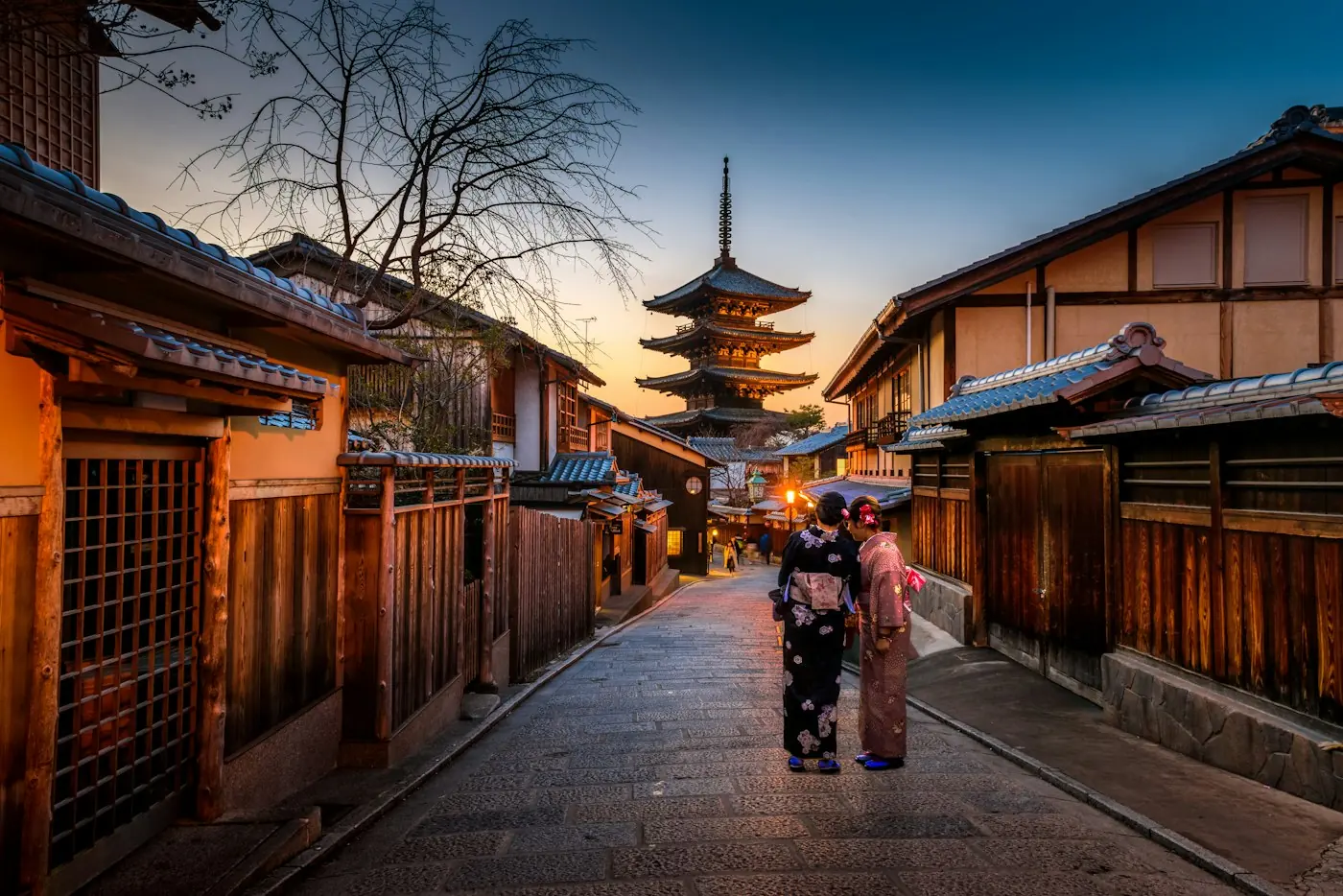
Ten days is not enough to see Japan, but it is enough to see Tokyo, Hakone, Kyoto, Nara and Osaka without spending the whole holiday on a platform. This is the classic first route, because it works, and here it comes with a realistic budget in pounds for every day.
The plan moves in one direction, from Tokyo in the east to Osaka in the west, so you never repeat a journey. That means booking your flights open-jaw: into Tokyo and home from Osaka's Kansai airport. London has non-stop flights to Tokyo but not, at the time of writing, to Osaka, so expect a connection on at least one leg, and allow around £800 to £1,100 return at the time of writing. A few tactics in our guide to finding cheap flights can bring that down.
The route and the budget, day by day
All figures are per person, with two sharing a mid-range double, worked out at roughly ¥200 to £1. They include beds, food, local transport, trains and entry fees, but not international flights.
| Day | Where | What to do | Budget |
|---|---|---|---|
| 1 | Tokyo | Arrive, buy a transport card, walk Asakusa and Senso-ji at dusk | £100 |
| 2 | Tokyo | Meiji Shrine, Harajuku, Shibuya crossing, Shinjuku by night | £90 |
| 3 | Tokyo | Yanaka's old lanes, Ueno Park and its museums, Akihabara | £90 |
| 4 | Kamakura | Day trip of about an hour each way: the Great Buddha and the temples of Kita-Kamakura | £100 |
| 5 | Hakone | Train from Tokyo, the lake and ropeway loop, a night at a traditional inn with hot springs and dinner | £190 |
| 6 | Hakone to Kyoto | Bullet train from Odawara, a little over 2 hours. Evening in Gion and Pontocho | £130 |
| 7 | Kyoto | Fushimi Inari at dawn, then Kiyomizu-dera and the Higashiyama lanes | £95 |
| 8 | Kyoto | Arashiyama bamboo early, then the Philosopher's Path and Nishiki Market | £95 |
| 9 | Nara to Osaka | Train to Nara, about 45 minutes, for Todai-ji and the park. On to Osaka by evening, about 45 minutes more | £95 |
| 10 | Osaka | Osaka Castle, a last lunch of street food, train to Kansai and an evening flight | £55 |
That comes to about £1,040 before flights. Solo travellers should add about £40 a night, or £80 for the inn. Blossom season can push hotel prices up by a fifth or more, so book early and be ready to pay it.
Rail pass or single tickets?
This is the question everybody asks first, and for this route the answer is simple. The national rail pass used to be a bargain for almost anyone. After a steep price rise in 2023, a seven-day pass now costs roughly £250, and this route does not get near that. Add up the long trips and the airport train:
- Tokyo to Odawara (or a direct limited express to Hakone): about £12 to £18
- Odawara to Kyoto by bullet train: about £55
- Kamakura return: about £10
- Kyoto to Nara, then Nara to Osaka: about £8
- Osaka to Kansai airport: about £6 to £15
That is around £100 in single tickets. On this route the rail pass costs far more than the trains. Buy tickets as you go at station machines, most of which have an English button, or reserve bullet train seats online a few days ahead in busy periods. The pass only starts to make sense if you add a long leg, such as Hiroshima and a return to Tokyo. Also note that it does not cover the very fastest bullet trains without a supplement, or many private lines. Do the sums on your own itinerary before deciding, because regional passes change them again.
For everything else, get a rechargeable transport card. It works on metros, local trains and buses, as well as in convenience stores and vending machines, and it saves you from working out fares at every ticket gate. Expect a refundable deposit of about £2.50 if you take a physical card. Some are also available as a digital version on your phone, though not all phones are supported.
On this route the rail pass costs far more than the trains.

Tokyo: four days, one of them out of town
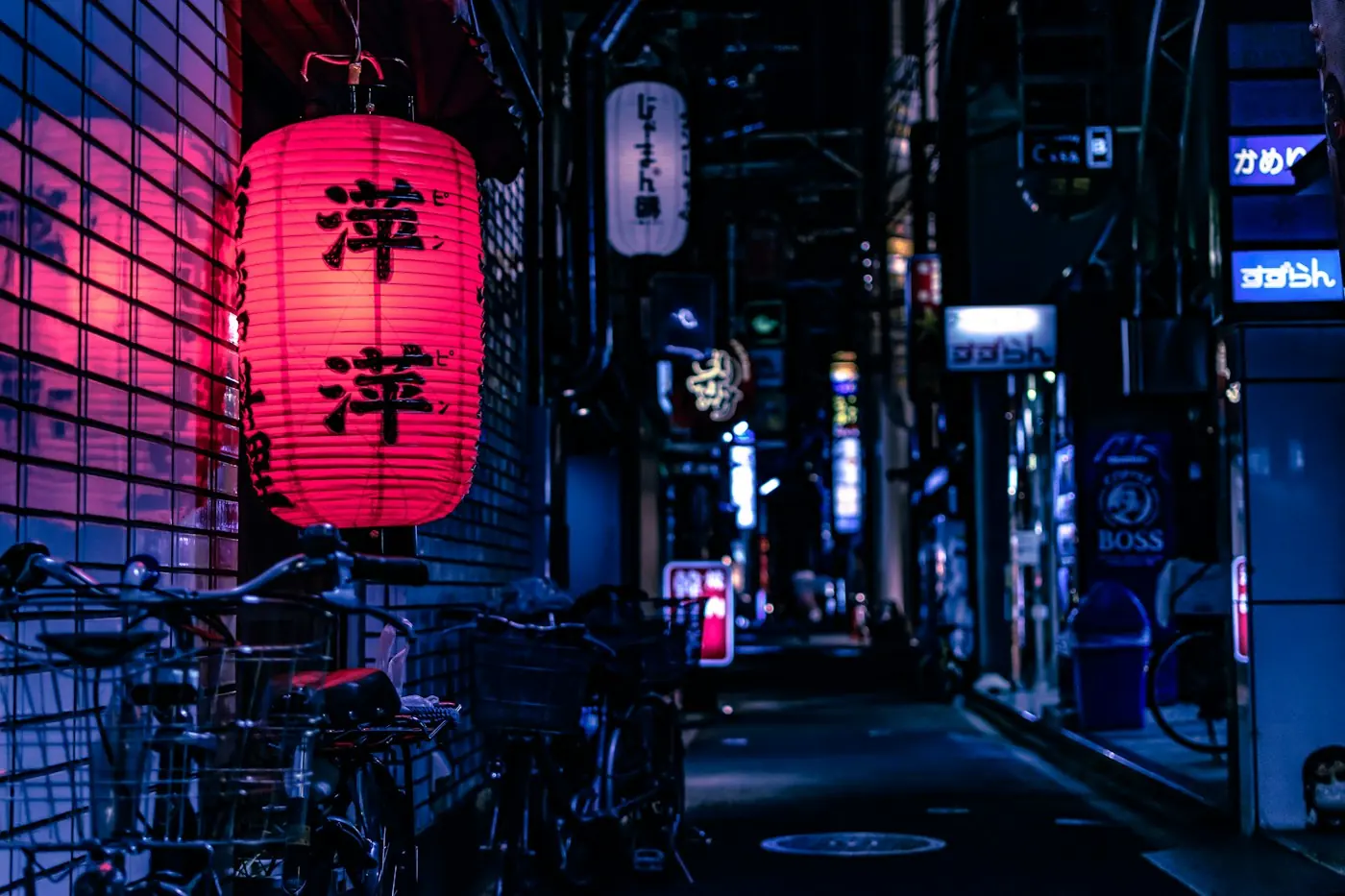
Tokyo is huge but not hard. Treat each day as one or two neighbourhoods, and take the trains between them. Shibuya crossing is worth five minutes and no more, and there is no need to pay for a viewpoint on your first visit: the free observation floors at the Tokyo Metropolitan Government Building in Shinjuku do the same job. Yanaka, with its small temples and old shops, is what first-timers tend to remember with the most affection.
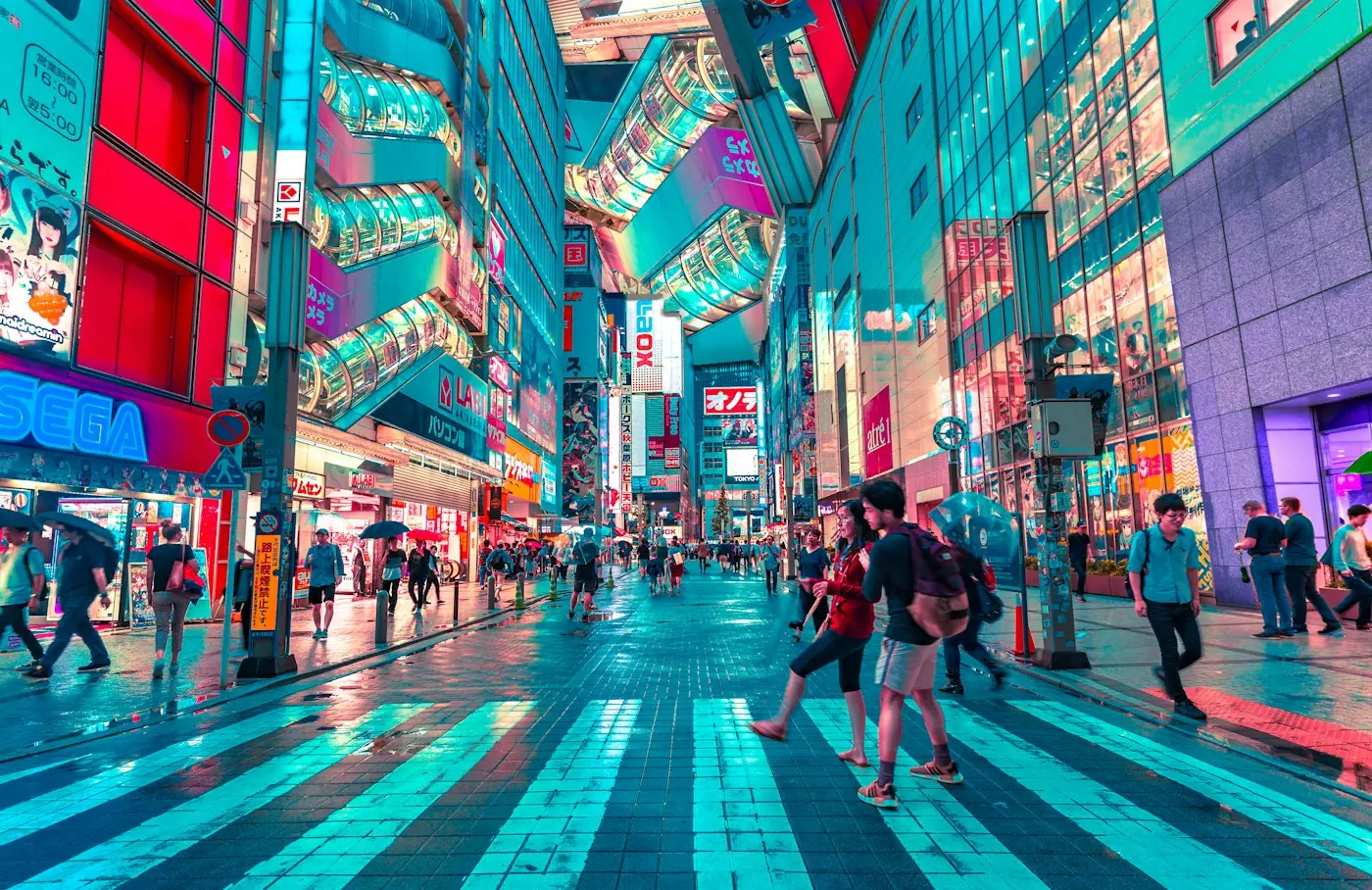
Eat cheaply without guilt. Convenience store breakfasts cost about £3 and are excellent, a bowl of ramen or a set lunch costs about £6 to £10, and a proper dinner with a drink comes to around £15 to £20. Carry some cash for small restaurants, temples and buses, as many still prefer it. Cash machines in convenience stores and post offices generally accept UK cards.
Hakone: the one expensive night
This is the night that takes the budget up, and I would keep it. Staying at a traditional inn, or ryokan, with a hot spring bath, a long dinner and a futon laid out on the floor costs roughly £100 to £150 each with meals. It is something you will not do anywhere else on this route. The usual loop takes in a train up the mountain, a cable car, the ropeway over the steaming valley at Owakudani and a boat across Lake Ashi. A two-day area pass from Tokyo covers most of it and costs around £30.
Before you leave Tokyo, ask your hotel to forward your big bag to Kyoto. It costs about £12 to £15 per case, and it is the best money you will spend in Japan, because you can then go up the mountain with an overnight bag only. Allow up to two days for delivery.
Kyoto, Nara and Osaka
Kyoto rewards early starts more than anywhere I know. Fushimi Inari's red gates are open all night and free, and the upper paths are close to empty at 6.30am. By 10am it is a different place. The same goes for the Arashiyama bamboo grove, which takes about 15 minutes to walk and is not worth a special journey at midday. In Gion, keep to the public streets and do not photograph geisha or trainees: some private lanes are closed to visitors, and you can be fined for entering them.
Leave your bags in a station locker at Nara while you walk the park, feed the deer (they bow, and they also bite) and see the vast bronze Buddha at Todai-ji, which costs about £4. Then head on to Osaka, which is louder and more cheerful than Kyoto, with less to tick off. Skip the over-priced seafood skewers at Kuromon Market and go to the Shinsekai district for a plate of fried things instead.
When to go, and what to skip
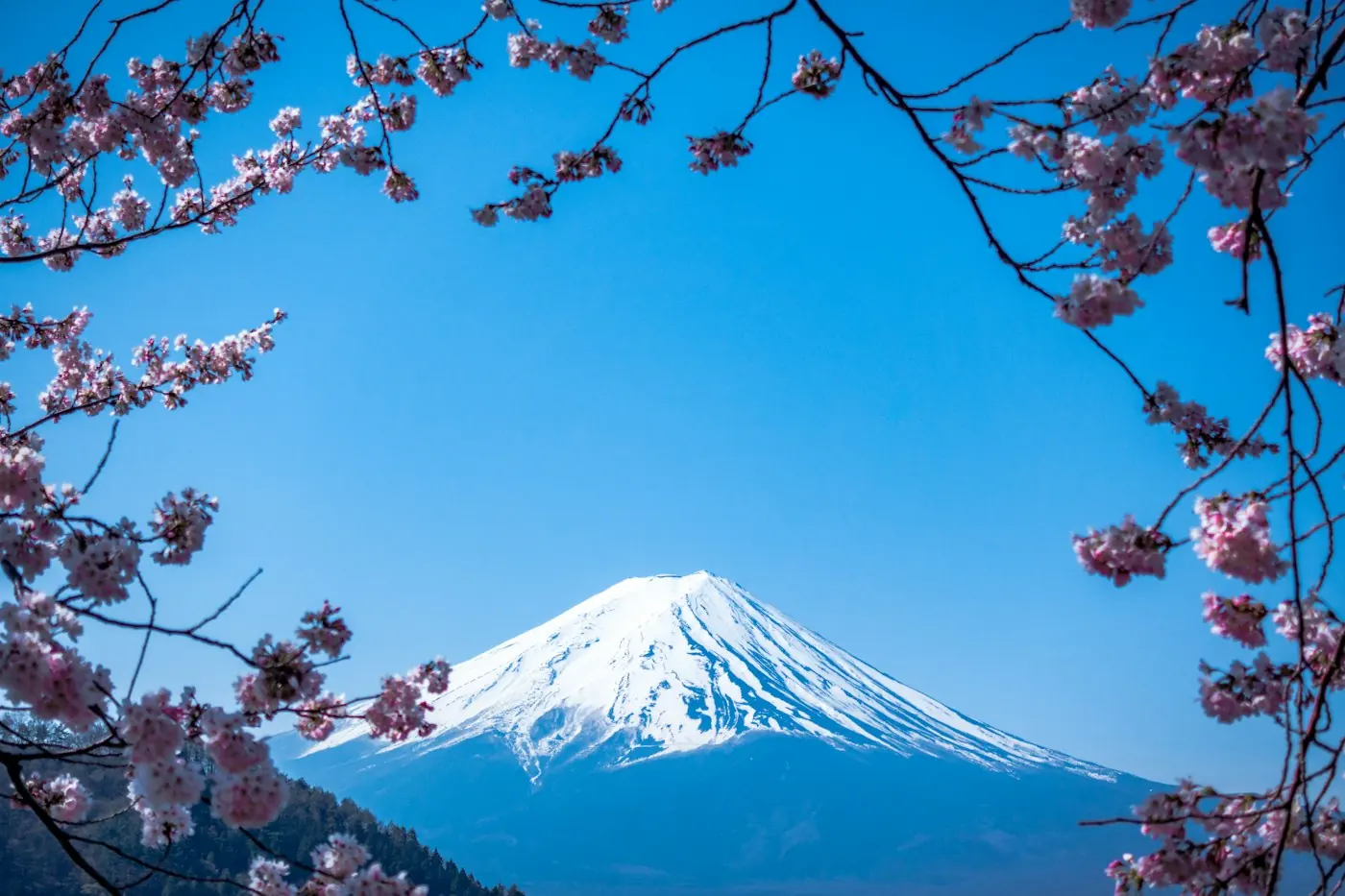
Late March to early April brings the blossom and the biggest crowds, and the exact dates shift every year. Mid to late November in Kyoto brings the autumn colour and similar crowds, while May and October are the calm choices. July and August are hot and humid, and early autumn is typhoon season, so build in a spare day if you travel then.
- Skip: a separate pocket Wi-Fi if you already have an eSIM or a sensible roaming deal.
- Skip: a theme-park day, unless you came for that. It would take a full day out of a short trip and cost at least £60.
- Do not skip: a small bag for your rubbish. Public bins are rare, and you will carry it around all day.
Pack light, because you will be lifting your bag on and off trains, and stations have stairs. Our backpack checklist stretches to ten days with one laundry stop, and our pre-flight document countdown covers the rest. Check entry rules on GOV.UK before you go, as UK visitors can currently enter without a visa for short stays, but that is the kind of thing that changes.
Comments (2)
Sam Okafor
We did this almost exactly in the first half of April and spent about £1,250 each, mostly because of blossom-season hotels in Kyoto. Your point about Fushimi Inari at dawn is right. We got there at 6.45 and had whole stretches to ourselves.
Eleanor Whitby
A small addition on luggage forwarding: ours took two days from Tokyo to Kyoto, not overnight, so hand the bag over before your last night if you can and keep your medication with you.
Leave your comment
Your email address will not be published. Comments appear after moderation. All fields are required.