
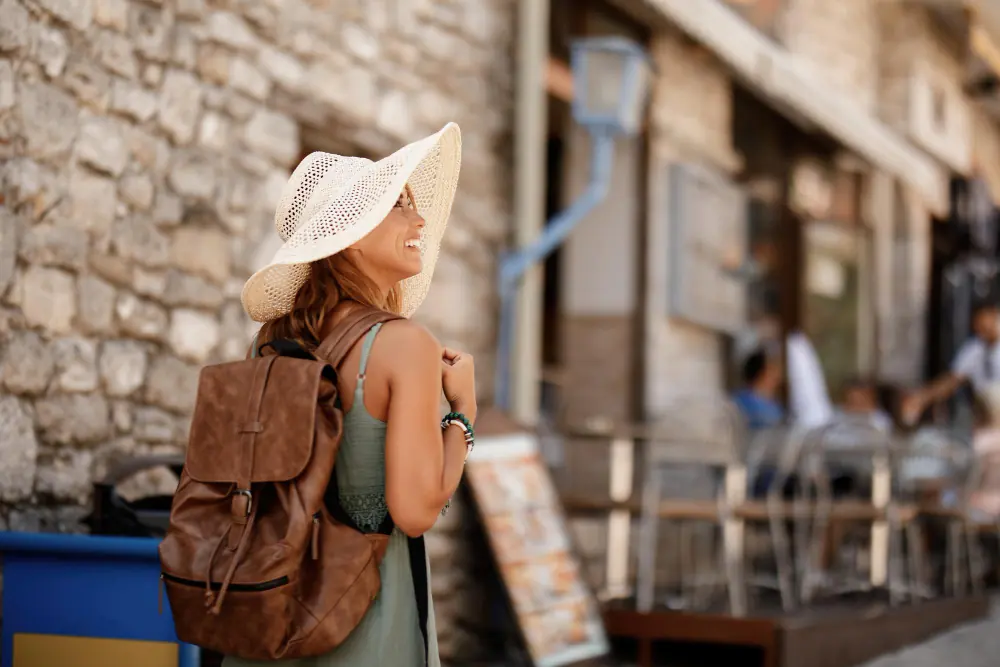
The best day I have had in Porto began with a small act of stubbornness: I put my phone at the bottom of my bag, got off the metro at a stop I had chosen for its name, and refused to look anything up until I was hungry.
The stop was Campo 24 de Agosto, a few minutes east of the centre and of no interest to any guidebook I owned. Within an hour I had found a hardware shop with a window full of enamel pans, a bakery where the queue seemed to be one long friendly argument and, through a gap between two houses in Bonfim, one of Porto's ilhas: a narrow row of tiny workers' cottages behind the street front, with washing strung across it and a man mending a chair. I said good morning, he nodded, and I left, which is the correct length of visit to somebody's home.
Why it works
A blue line on a screen is very good at getting you somewhere and very bad at showing you anything on the way. You arrive on time, having seen what everyone else with the same search results has seen. Take the line away and your attention has nowhere to go but the street. You start reading it: where the locals are heading, which doorway smells of bread, why that side road has more people in it than this one.
I should be honest about the failure rate. About a third of any city is car parks and dental surgeries, and you will see those too. You will also walk straight past something wonderful one street over and never know. That is the price, and I think it is a fair one.
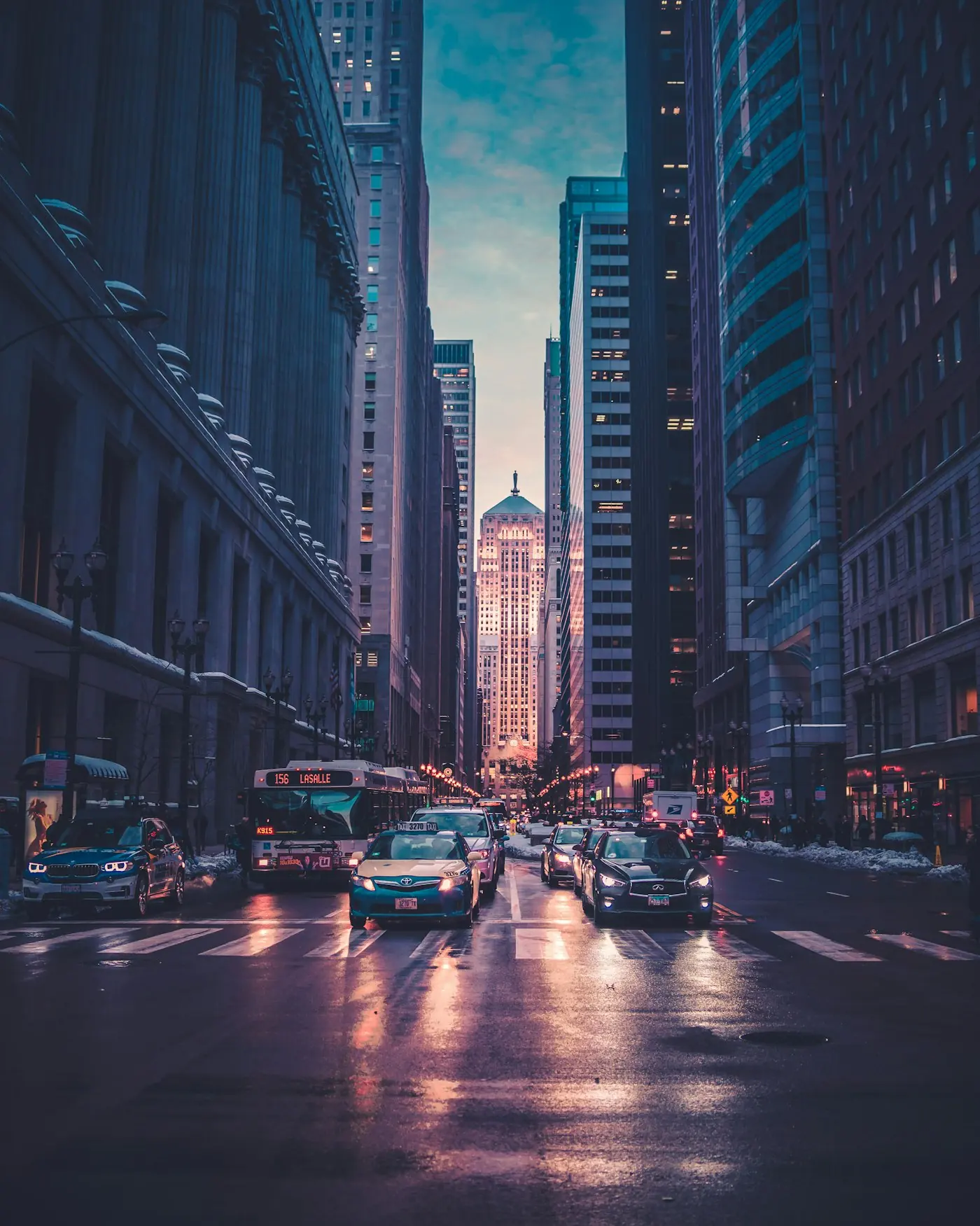
Nothing I found that day was on a list. All of it is now on mine.


The rules of the game
Pure aimlessness gets boring quickly, and you tend to drift back towards the main square. A few rules make it feel like a game. You need half a day, shoes you trust and about £20 in small money.
- Hide the phone, do not switch it off. Fully charged, bottom of the bag, for emergencies only.
- Start somewhere dull. Ride a tram or metro fifteen to twenty minutes out from the centre and get off at a stop you know nothing about. In most European cities that costs under £3.
- Turn towards whatever looks interesting. A smell, a colour, a noise, an old man carrying a very large fish. If nothing looks interesting, turn left.
- Look through open doors. If an archway is open and nothing says private, one polite look is fine. If it is plainly where people live, keep your voice down, keep your camera away from their windows and do not go up any stairs.
- Buy one small thing in every shop you enter. A peach, a pencil, a bag of nuts. A pound or two turns you from a browser into a customer, and customers get talked to.
- Stop when you are hungry. Eat wherever you happen to be, then take the phone out and find your way back. Three hours is about right.
Where to try it
Some cities reward this more than others, mostly the ones with passages through their buildings. Lyon has its traboules, covered shortcuts through the blocks of Vieux Lyon and La Croix-Rousse, some of them open to the public during the day. Prague has arcades around Wenceslas Square, and Paris has the old covered passages of the 2nd arrondissement.
You do not need a flight to practise. York's snickelways will take up a wet Saturday, and the closes running off Edinburgh's Royal Mile are good for an hour and very steep.

A few things to skip. Do not try this on the day you have a train to catch, because you will check the time every ten minutes and the spell breaks. Avoid Sundays and Mondays where you can, as many small shops close on one or the other. In southern Europe in August, go early and be indoors by one: nothing is charming at 38 degrees. If you are nervous about going alone, our guide to travelling solo is a good place to begin, and it is worth knowing the common tourist schemes before you start wandering about looking pleasantly lost.
Keeping what you find
Everything you find this way is easy to lose, because you have no idea where you were. So carry a small notebook and write down the street name each time you stop, or photograph the street sign. Then go back the next morning. A place you stumbled on once is a nice story. A place where the woman behind the counter recognises you on day two is the beginning of what we mean by slow travel.
I still have the enamel pan. It is chipped now and far too small to be useful, and I would not swap it for anything I have bought with a plan.
Comments (2)
Priya Nair
Tried this in Lyon last weekend after reading about the traboules. Two doors were locked and the third led to a beautiful staircase and a very surprised cat. Best morning of the trip.
Callum Reid
Good rules, but I would add one for hilly cities. I followed rule three around Porto and it took me uphill four times in a row. Take water.
Leave your comment
Your email address will not be published. Comments appear after moderation. All fields are required.