

We have crossed the Channel with a terrier who dislikes ferries and flown to Porto with a two-year-old who would not sit down. Neither trip resembled the holidays we used to take, and both were better than we had feared once we stopped trying to run the old itinerary with extra passengers. Small companions need slower days, shorter legs, more snacks and, in the case of the dog, a surprising amount of paperwork.
One rule for both
Plan one big thing a day and halve every distance you first thought of. Dogs and small children have the same basic requirements: regular food, regular sleep, a chance to run about and no interest whatsoever in your cathedral. Do the outing in the morning, keep the afternoon loose and treat anything else as a bonus. Our notes on slow travel apply twice over here: one base for a week beats three bases every time.
One big thing a day. Everything else is a bonus, including lunch.


Travelling with a dog: the paperwork
These are the rules for taking a dog from Great Britain to the EU as we understand them at the time of writing. They can change, and Northern Ireland has its own arrangements, so check the guidance on taking a pet abroad on GOV.UK and talk to your vet before every trip.
- Microchip. This comes first, and must be done before or at the same time as the rabies vaccination. Ask your vet to scan it and check that it reads.
- Rabies vaccination. Your dog must be at least 12 weeks old. After the first vaccination you must wait 21 days before travelling. Keep boosters up to date and the paperwork safe.
- Animal Health Certificate (AHC). An Official Veterinarian must issue this no more than 10 days before you arrive in the EU. You need a new one for each trip. It is valid for four months for onward travel within the EU and for returning to Great Britain. Prices vary a lot between practices, roughly £100 to £300, so ring around. Not every vet can issue one.
- Tapeworm treatment. To return to Great Britain, your dog must be treated by a vet between 24 hours and 5 days before arrival, and the vet must record it. Treatment is not needed if you come directly from Ireland, Finland, Malta or Norway. If you are travelling from Great Britain to those countries, the dog needs treatment before you go.
A pet passport issued in Great Britain is no longer accepted for travel to the EU. Countries outside the EU can be more complicated: some require a rabies blood test and a wait of up to three months before you can come home, so start early.
Getting across
The car is by far the easiest option, either on the Channel Tunnel shuttle or on a ferry, some of which have pet-friendly cabins. Foot passengers have far fewer options, and the passenger train through the tunnel takes only assistance dogs. Flying is the hard way: pets generally cannot fly into Great Britain in the cabin and must come back as cargo on an approved route, assistance dogs apart. We wouldn't do it for a holiday.
Life on the road
- Walk early and late in hot countries, and press your hand on the pavement. If it hurts you, it hurts their paws.
- Ask your vet about ticks and, for southern Europe, sandfly-borne leishmaniasis, and start any protection well before you go.
- Check beach rules. Many European resorts ban dogs from the sand in summer, but many also have signed dog beaches.
- Carry a muzzle for public transport, as some countries require one.
- Bring their own bed or blanket. It smells of home and reduces the first-night pacing.
- Stop every two or three hours on long drives, and never leave a dog alone in a parked car in warm weather.
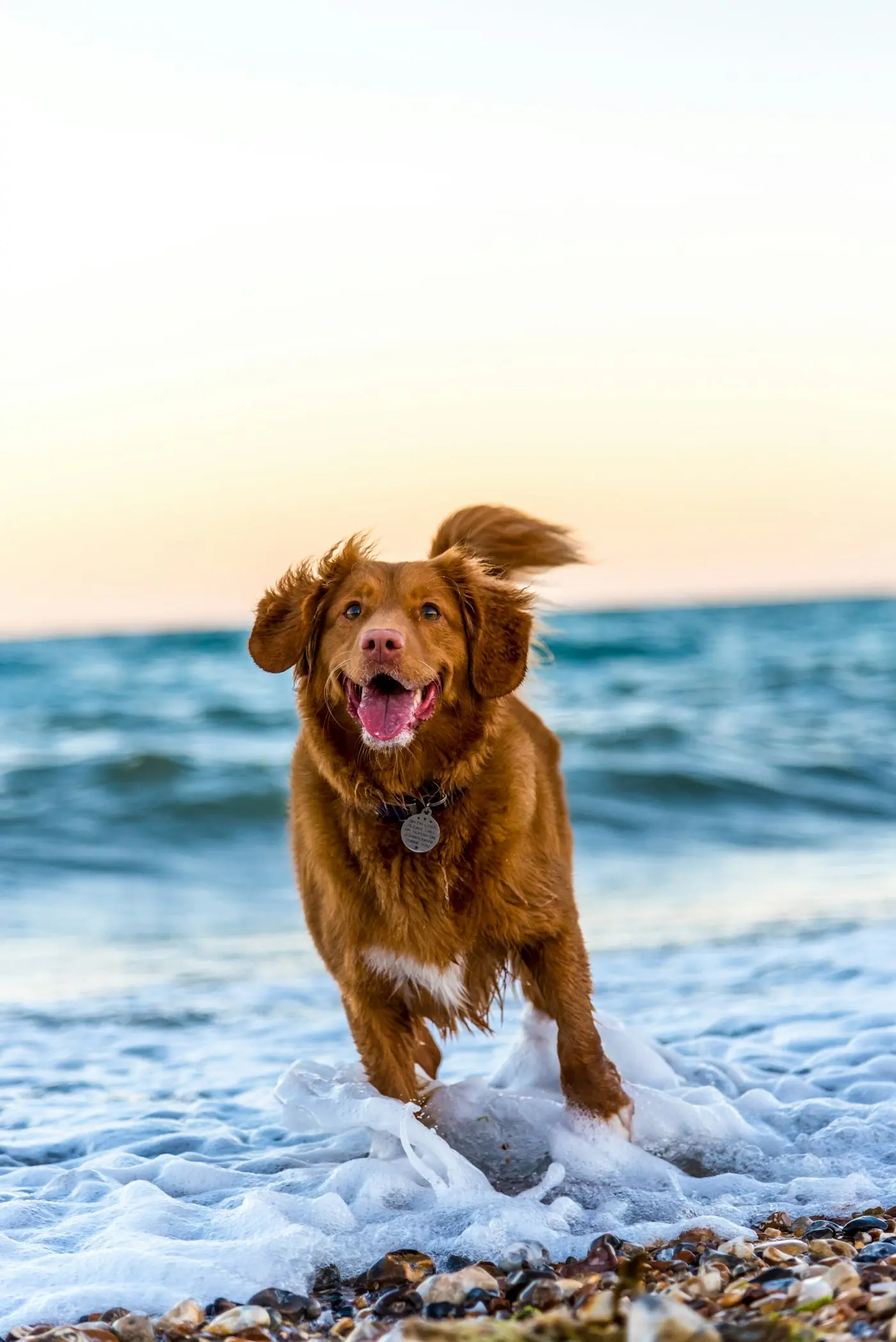
Travelling with a child: what we learned
Pacing
Mornings are for outings and afternoons are for the pool, the park or doing nothing. Take a complete day off around day three, before someone needs one. Find the nearest playground as soon as you arrive: it lets everyone burn off the journey, and it is where you will meet local parents with useful opinions on where to eat.
Snacks
Carry more than seems reasonable. Pack for no mess and no melting: rice cakes, breadsticks, raisins, a banana on day one only. Visit a supermarket on the first day and let the child choose something strange. If meal times are late, as they are in Spain, make lunch the main meal and do a picnic supper at the flat. It is far better than waiting for an 8.30pm kitchen with a tired three-year-old.
Sleep
Book a flat with a door between you if you can, so you aren't sitting silently in the dark at 7.30pm. Take a portable blackout blind, or foil and tape if it comes to that, and bring the same sleeping bag, book and toy as at home. Keep the bedtime routine even when bedtime itself slips. Over a one- or two-hour time difference, shift by half an hour a day or simply stay on UK time for a short trip.
Flights
- Choose your seat and time. Under-twos usually fly on your lap for a reduced fare, but a seat of their own is worth it if you can stretch to it. Avoid flights that need a 4am start.
- Help with their ears. Offer a bottle, a dummy or something chewy on take-off and landing.
- Save the entertainment. Bring small new toys and reveal them one at a time, plus a tablet with downloaded shows and child-sized headphones.
- Know the security rules. Baby milk and food in reasonable quantities are generally allowed above the 100ml limit, but you may be asked to taste them.
- Pack a spare top for yourself. You will only think of this once it is too late.
- Ask about the pushchair. Most airlines let you take it to the gate, but check the rules when you book.

A countdown for both
| When | Dog | Child |
|---|---|---|
| 2 to 3 months before | Check microchip and rabies dates; find an Official Veterinarian | Check passport expiry (child passports last 5 years); apply for a free GHIC for each child |
| 2 weeks before | Book AHC appointment; book the return tapeworm vet; ask about tick protection | Check car seat arrangements; get a consent letter if one parent is travelling alone |
| Up to 10 days before | Collect the AHC | Buy and hide small new toys |
| Day before | Pack food, bowls, bed and documents | Download shows; pack snacks and a change of clothes |
| Last days of the trip | Tapeworm treatment 24 hours to 5 days before arriving home | One easy day, so the journey home isn't a fight |
If your child has a different surname from you, or only one parent is travelling, carry their birth certificate and a signed letter of consent. GOV.UK has guidance on this, and it can save an awkward conversation at the border. Our month-before-you-fly checklist covers the rest of the documents.
What we would skip
Skip the two-centre holiday, the long transfer on arrival day and any city break that depends on queuing for a museum. Skip the fancy restaurant unless it has a terrace and no objection to crumbs. And don't pack the whole house: there are shops, nappies and dog food abroad, so run your bags past the packing checklist and remove a third. If you want a test run, try one night somewhere close to home first, because it tells you a lot about what your small companion will really put up with.
Comments (3)
Imogen Hartley
Booking the tapeworm vet before we left was the best advice we were given too. We did it in Brittany and it took ten minutes. The couple in front of us on the ferry home had been turned away the first time for missing the window, so do take that part seriously.
Dan Kowalski
We go to France twice a year with our spaniel. Can we reuse the AHC if the second trip is within four months?
VAMOSVIVER editors Editorial reply
At the time of writing, no: you need a new certificate each time you travel from Great Britain to the EU. The four months only cover onward travel and getting home from that trip. Do check GOV.UK before you book, in case the rules have changed.
Ruth Adeyemi
Lunch as the main meal changed our week in Spain. Our six-year-old fell asleep on the table at 9pm on the first night and we never tried that again. Picnic suppers on the balcony were the nicest part of the holiday.
Leave your comment
Your email address will not be published. Comments appear after moderation. All fields are required.